

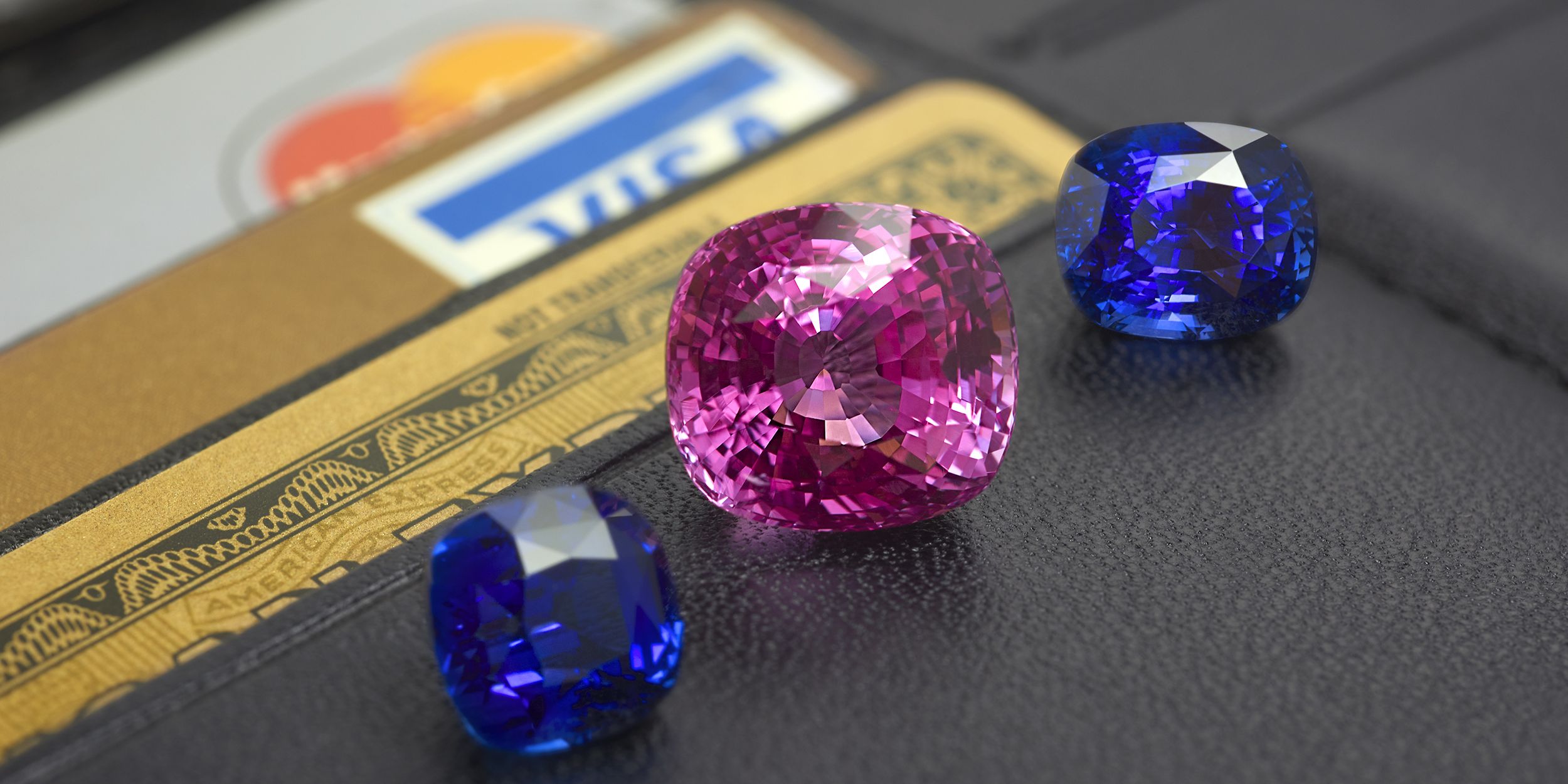
When returns in the stock market decline, aggressive investors often seek out alternatives that may hold more promise of increasing returns on invested capital (ROIC) than traditional investment types. Or, some investors might want to consider tangible assets simply as a way to diversify their holdings even during good market conditions. Investing in gemstones—in particular, those that are rare or of exceptional quality—likely would at least retain, and probably increase in value.
However, unlike other types of investments, gemstones may not be as easily liquidated if you have an urgent need for cash. This drawback is especially founded for rare, precious stones and jewelry that would appeal to elite buyers only. Gemstone investing can seem exciting to those who want to make quick returns, but it is highly speculative and should only be undertaken by experienced professionals. Investing in the precious metals sector, however, is different because there are standards as well as specific investment vehicles for them in the financial markets.
The term "investment-grade" is often tossed around by those who want to sell gems or try to convince other people to invest in them. However, this practice is frowned upon in financial services because there are no formal standards for what constitutes investment-grade gemstones, as there are for investment-grade bonds, for example.